“If you only read the books that everyone else is reading, you can only think what everyone else is thinking.”
― Haruki Murakami, Norwegian Wood
On Nov 7th 2020 I decided to read a book a week for a year bringing it to a total of 52 books. I didn’t have a set list when I started and no rules on the content of the books. I would pick whatever I thought might be interesting and/or was on discount at the time.
I would also ask interesting people I knew/met what their favorite books were. This was in an attempt to avoid rereading the same things I always do, but also to get an insight on how these people’s mind work.
Results of course varied and here are the most noteworthy reads/listens of that year along with my thoughts on them.
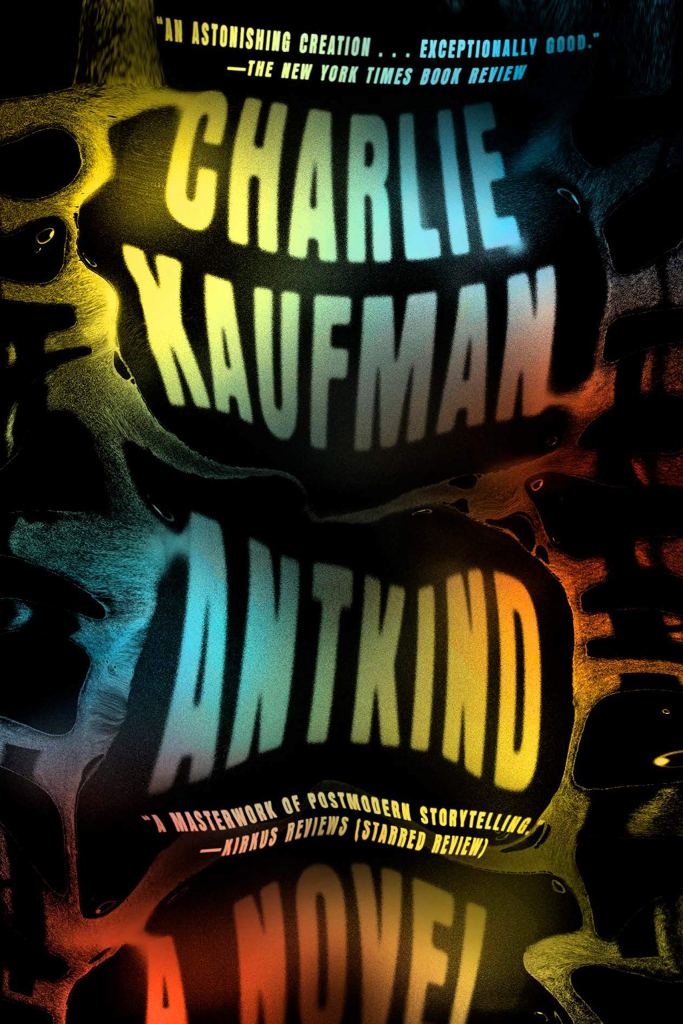
- Ant kind – Charlie Kaufman
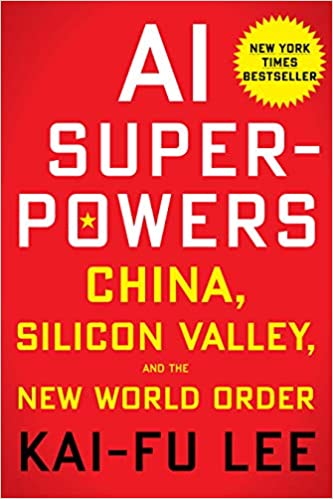
This book is a whole experience contained in a book format. One of the most interesting and engaging literary works I ever read. Not for the faint of heart. I can not recommend it enough! - Ai Superpowers – Kai Fu Lee
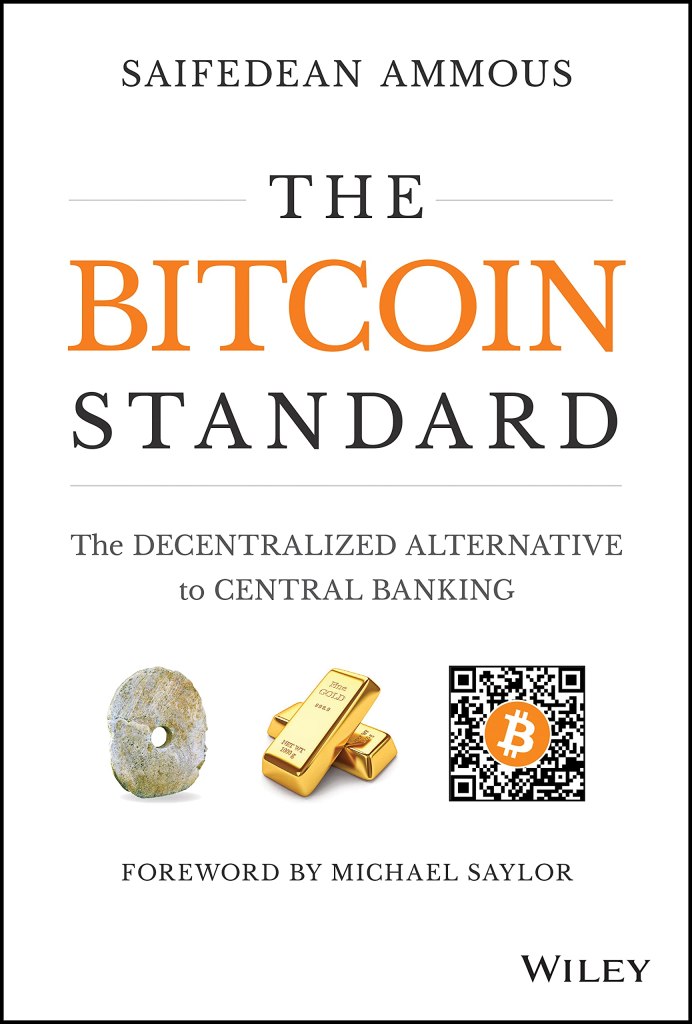
It is my impression this book is a a warning to the rise of China as a superpower that pretends to be a “get your priorites right” type of book. Explains a lot on how AI can affect our future and the writer is prolific in his field with. For more info: https://www.ted.com/speakers/kai_fu_lee - The bitcoin standard – Saifedean Amous
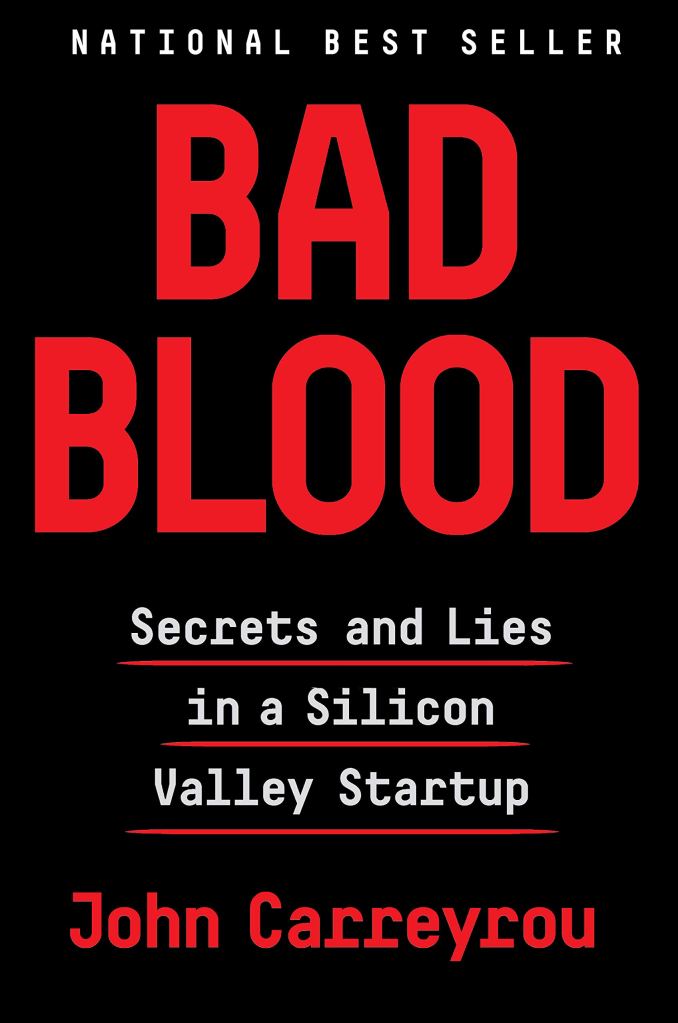
An amazing introductory book on why bitcoin can replace FIAT currency, why it is superior to other coing (according to the writer) and where crypto is going, all broken down simply. - Bad Blood -John Carreyrou
A deep dive on the rise and fall of Theranos with a focus on its founder Elisabeth Holmes. A company that overpromised, underdelivered and deceived people and investors for years. What I found interesting was the Silicon Valley culture that is portrayed, not very prominently, through this story.
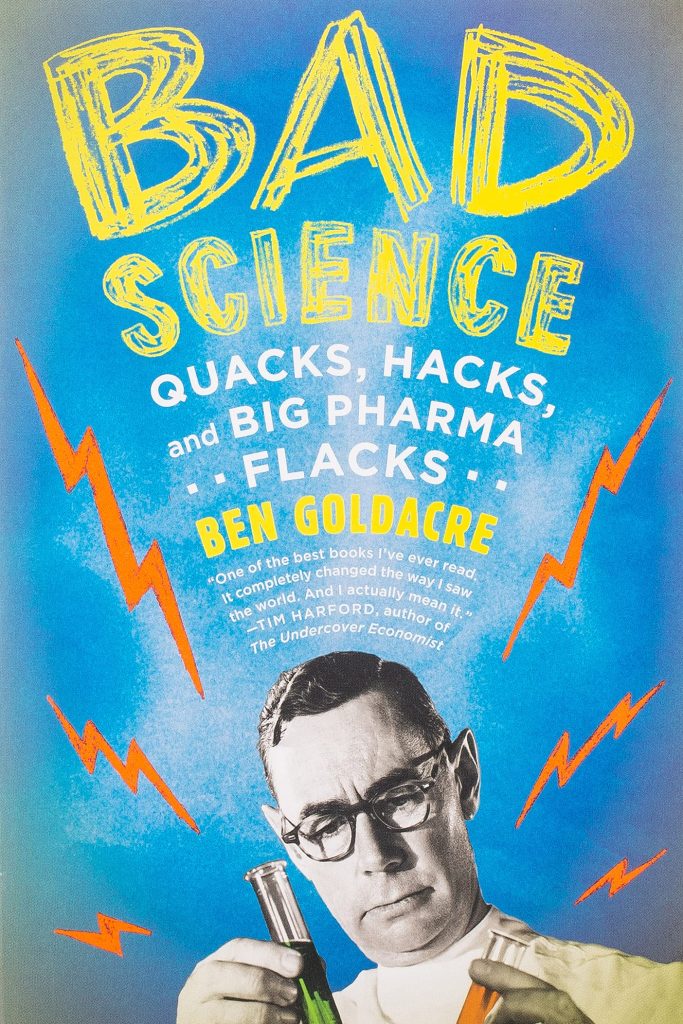
- Bad Science – Ben Goldcare
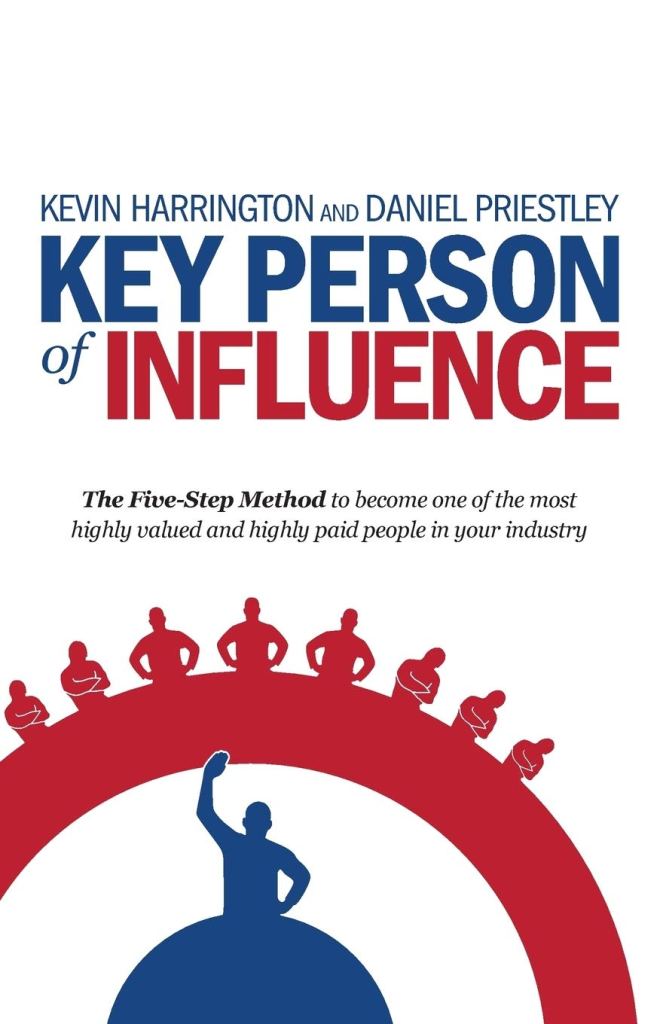
An easy read on how data can be misinterpreted and presented in a way convenient to whoever is talking and how to keep an eye out for it. - Key person of Influence – Kevin Harrington
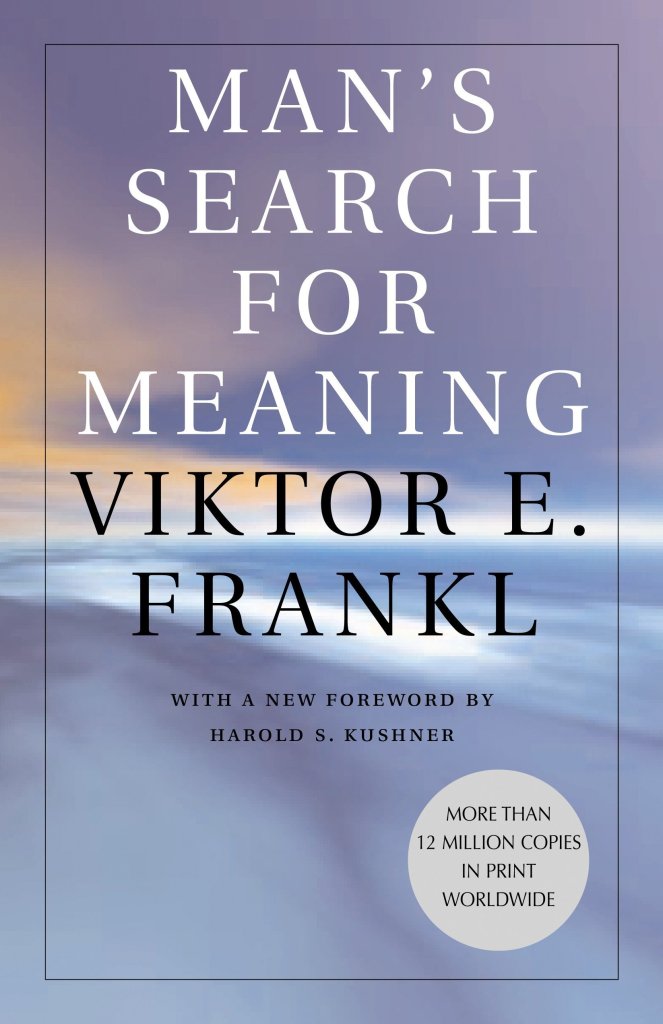
Definitely not a masterpiece by any stretch of the imagination but breaks down how one can, intentionally, make themselves an authority in a field. I found it quite useful as I got a behind the scenes image on how people make a name for themselves and I believe can help people differentiate between true and fake authorities in a field. - Man’s search for meaning – Viktor E. Frankl
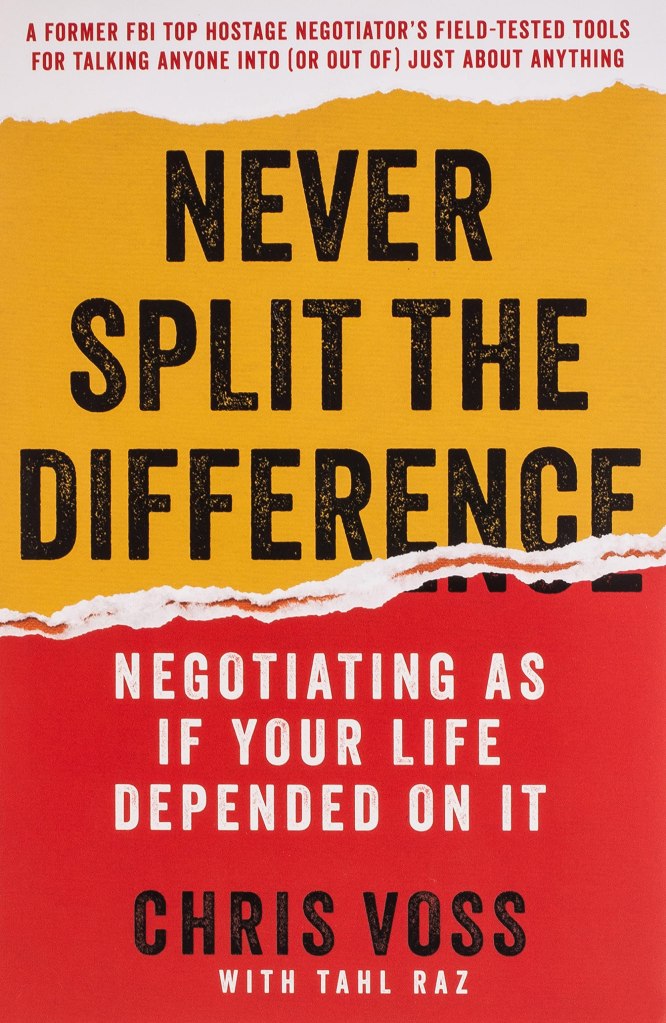
Man’s Search for Meaning is a 1946 book by Viktor Frankl chronicling his experiences as a prisoner in Nazi concentration camps during World War II, and describing his psychotherapeutic method, which involved identifying a purpose in life to feel positive about, and then immersively imagining that outcome. Easy afternoon read but not a light one. - Never Split the Difference – Chris Voss
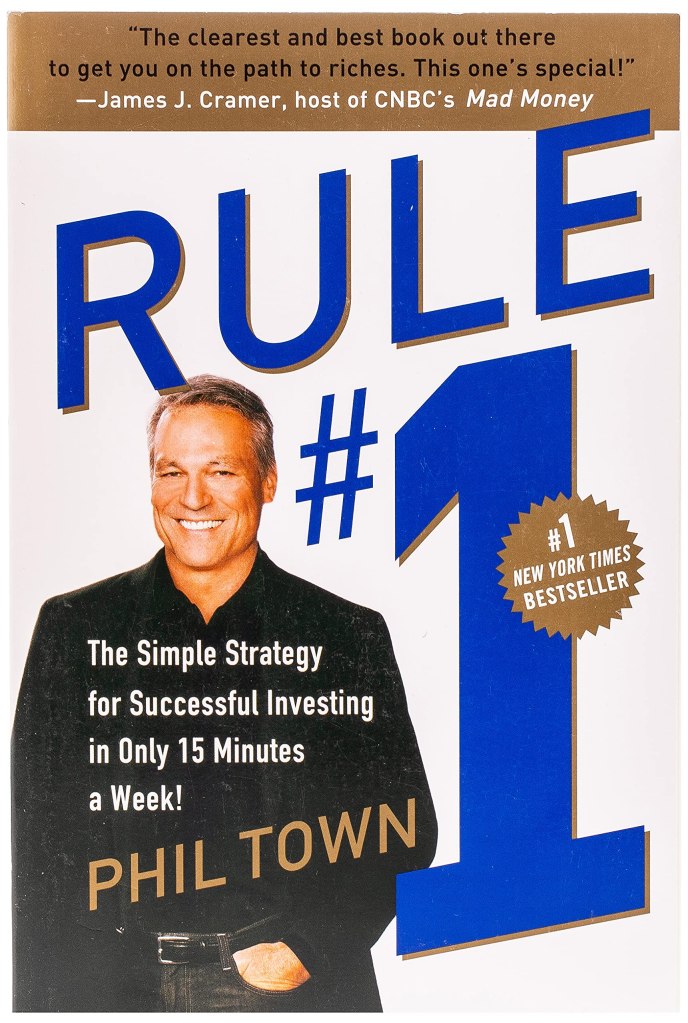
Written by a former FBI negotiator it opened my eyes in negotiation techniques both in high stakes and everyday situations. The younger you read, and get into the subject, it the better. - Rule #1 – Phill Town
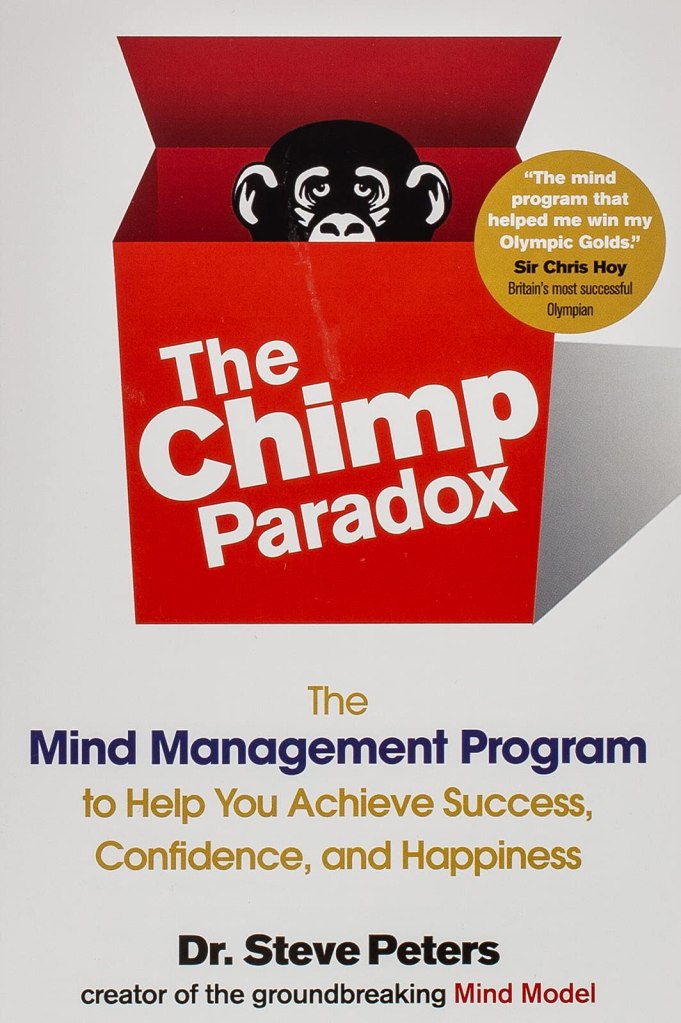
Simple no- nonsense step by step guide to long term stock investing. By no means new information but definitely simplifies a lot of things for newbies in the field. The author also now has a Youtube channel. - The Chimp Paradox – Steve Peters
Again while the information is not new this book, one of the better books of its kind, explained rather simply and plainly, how the mind works and how one can understand and manage their emotions and thoughts. It helped separate in my head the difference between who I am, who I want to be and why not always aligning to that is a solvable problem.
- The man who mistook his wife for a hat – Oliver Sacks
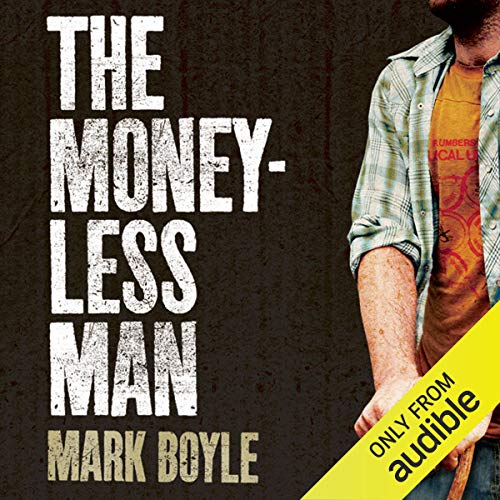
This book was just extremely interesting. It’s a book by neurologist Oliver Sacks describing the case histories of some of his patients and the title refers to one of those cases where a man suffered from visual agnosia could not make out faces, while a prolific musician, and as a result he would try to wear his wife as a hat. - The money less man – Mark Boyle
A loose diary of a one year experiment where the author lived without money, how everyday life looks when doing that and the beginning of freeconomics. It h - The Panama Papers – Bastian Obermayer
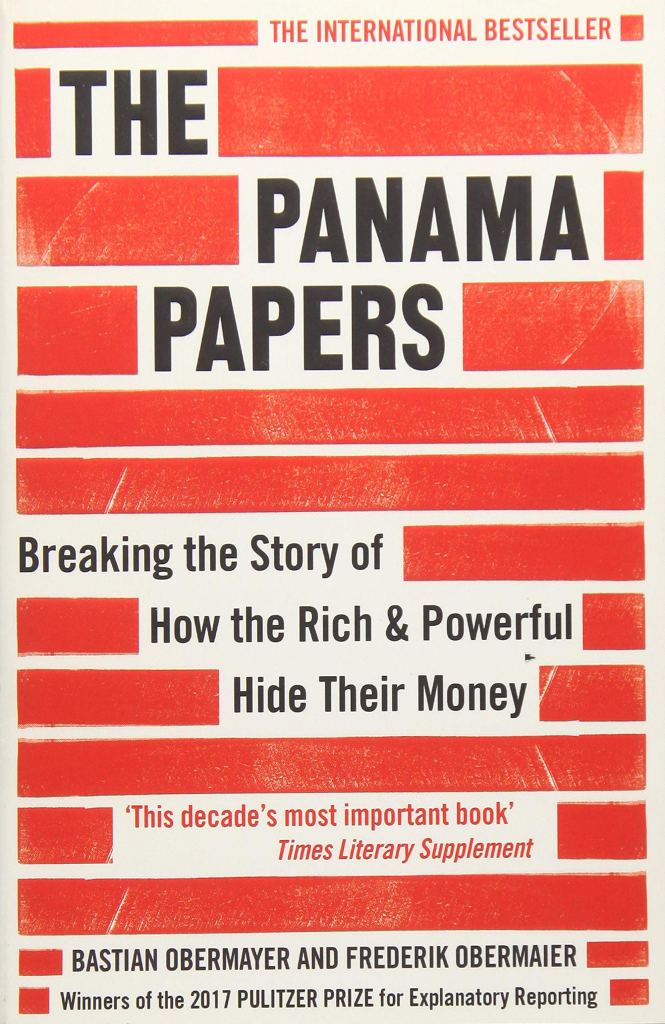
A WTF book describing the chronicles of the Panama Paper leak through the eyes of the initial reporter that was the contact of the whistleblower. The scale of corruption and tax evasion described in this book was truly unfathomable to me and couldn’t wrap my head around it for weeks. - The Ride of a lifetime – Robert Iger
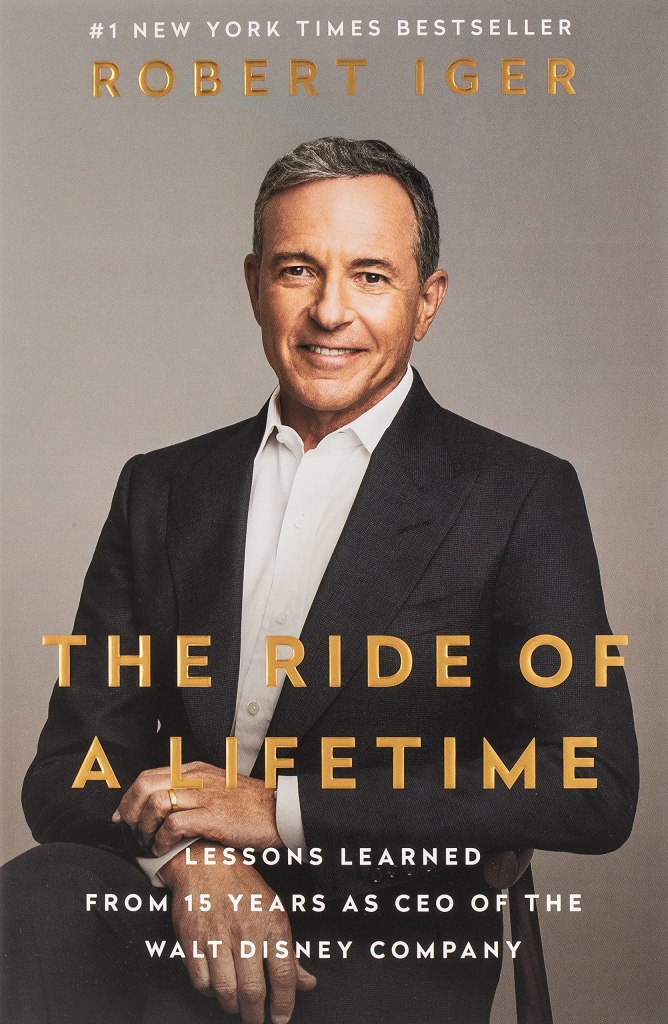
Bill gates described this book as “The best business book ever written”. The catch is this book is not a business book but an autobiography of a former CEO of Disney. I got a sense that the book was written in a way to present the author as perfectly imperfect but I agree that it contains excellent examples of proper leadership and business. Overall very interesting especially if you want to have a look into what climbing the ladder looks like and how multi billion dollar corporations function. - The Sovereign Individual – James Dale Davidson
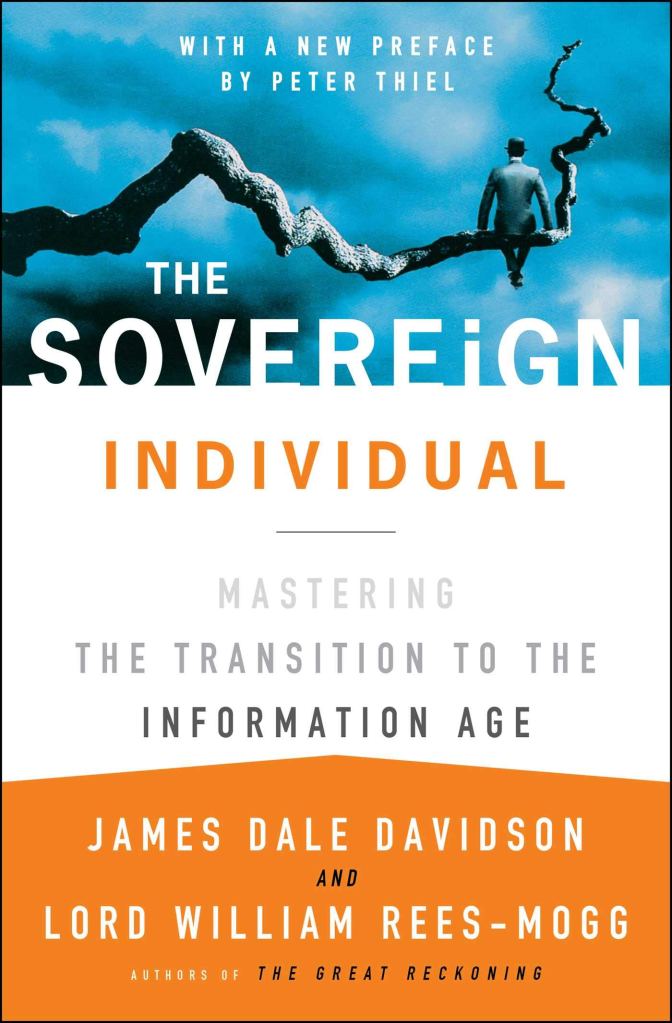
A manifesto of sorts or rather a prediction on the future of global geopolitics driven through technology. I got to this book through my research on crypto and was not disappointed. While the book is old it paints a future of viable anarcho-capitalism. Good food for thought. - Rich Dad Poor Dad – Robert Kiyosaki
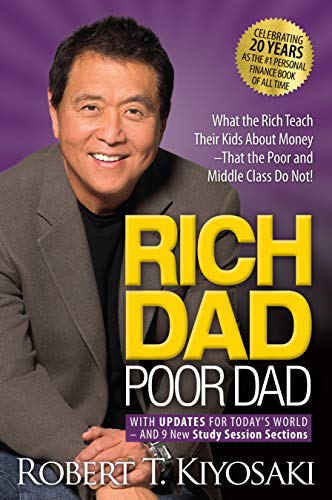
While not personally a great fan of Robert Kiyosaki for a variety of reasons Rich Dad Poor Dad is a good introductory book into the world of investing in assets and in yourself. It compares the biological (Poor) father of Kiyosaki and his friend’s (Rich) father and shows how different approaches to money and life leads to different results. It focuses on the utility of investing rather than being a guide even though it throws some ideas out. - The Last Lecture – Randy Pausch
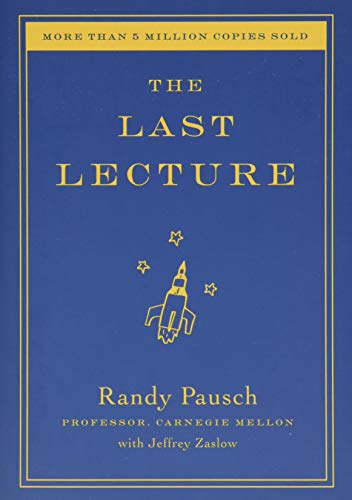
The Last Lecture is about Proff. Pausch’s last lecture and discusses everything he wanted his children to know after his pancreatic cancer had taken his life. It includes stories of his childhood, lessons he wants his children to learn, and things he wants they know about him. An AMAZING book that is in a way a meditation on death, setting your priorities and enjoying life. Highly recommended. - The richest man in Babylon – George Clason
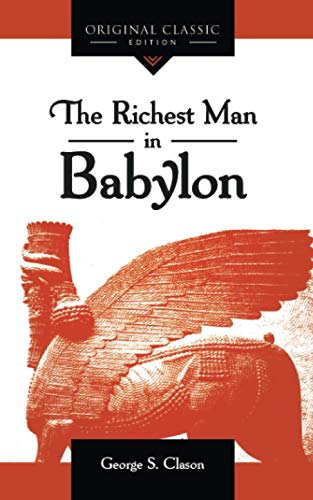
A sort of Aesop’s myth’s type of book but the moral of the story is “you should be investing”. Great introductory book on why one should invest and some common sense rules for it through stories set in ancient Babylon. - Them & The men who stare at goats – Jon Ronson
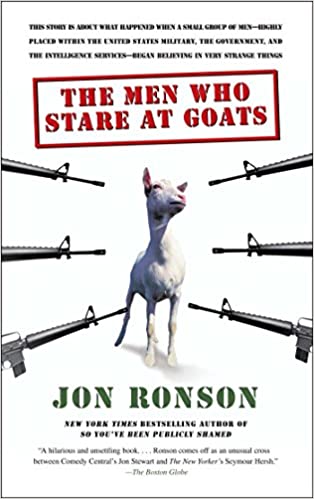
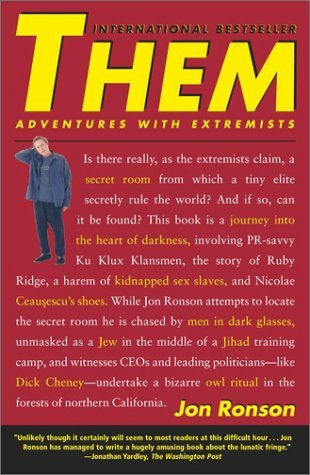
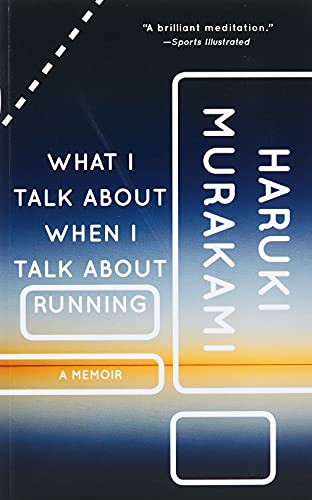
They are both ” I can’t make this shit up” kind of books and Jon Ronson has a ” I am just telling you what I saw, don’t shoot the messenger” attitude and I believe that is how they should be interpreted. If anyone reads them let me know. - What I talk about when I talk about running – Haruki Murakami
Murakami’s style is known as kitchen tabletop fantasy referring to how he used to write in his kitchen table late at night. He has a unique style and I generally think he is worth exploring as his writing style is quite interesting. While training for the New York City Marathon, Haruki Murakami decided to keep a journal of his progress. This memoir about his obsessions with running contains recollections and insights as well as an inside to the writer himself.
 Fylaktis Fylaktou